Commercial Gym Planning: Key Considerations Before Buying Equipment
Designing a commercial gym is no small feat. The right equipment, layout, and safety measures are essential for creating a successful fitness facility that attracts and retains members. Whether you’re opening a new gym or upgrading an existing one, understanding the key considerations before purchasing fitness equipment will ensure your facility operates efficiently and safely.
In this guide, we'll walk you through the most important factors to consider when planning your commercial gym.
1. Space Layout and Utilization
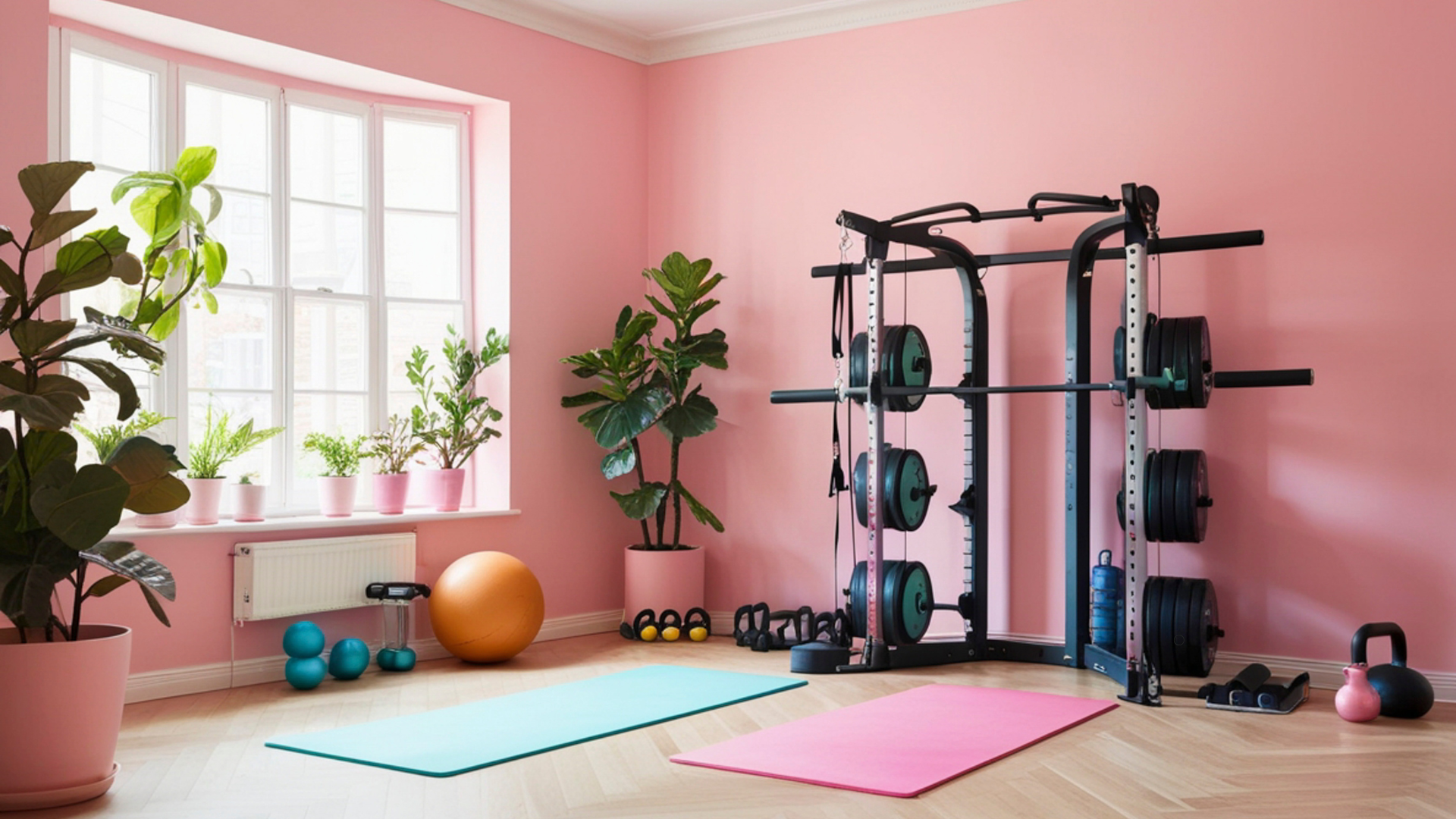
Before making any equipment purchases, carefully plan your gym's layout. The space you have will significantly impact the type and quantity of equipment you can accommodate.
Space Planning Tips
- Measure Your Space: Accurately measure the total square footage and map out areas for specific activities (cardio, strength training, stretching, etc.).
- Consider Equipment Flow: Ensure there is enough space between equipment for safe movement. A cramped gym can discourage users and increase the risk of accidents.
- Design for Flexibility: Choose a layout that allows for future growth. You might want to adjust or add equipment as your gym’s membership base increases.
2. Equipment Selection: Cardio, Strength, and More
Choosing the right equipment is crucial for meeting your members' fitness needs. There are several categories to consider:
H3: Cardio Equipment
- Treadmills: A popular choice for aerobic workouts. Treadmills are versatile and cater to different fitness levels.
- Ellipticals: Offer low-impact cardio and are perfect for people with joint concerns.
- Stationary Bikes: Great for targeting lower body muscles and improving cardiovascular endurance.
H3: Strength Equipment
- Free Weights: Dumbbells, kettlebells, and barbells provide versatile strength training options for various muscle groups.
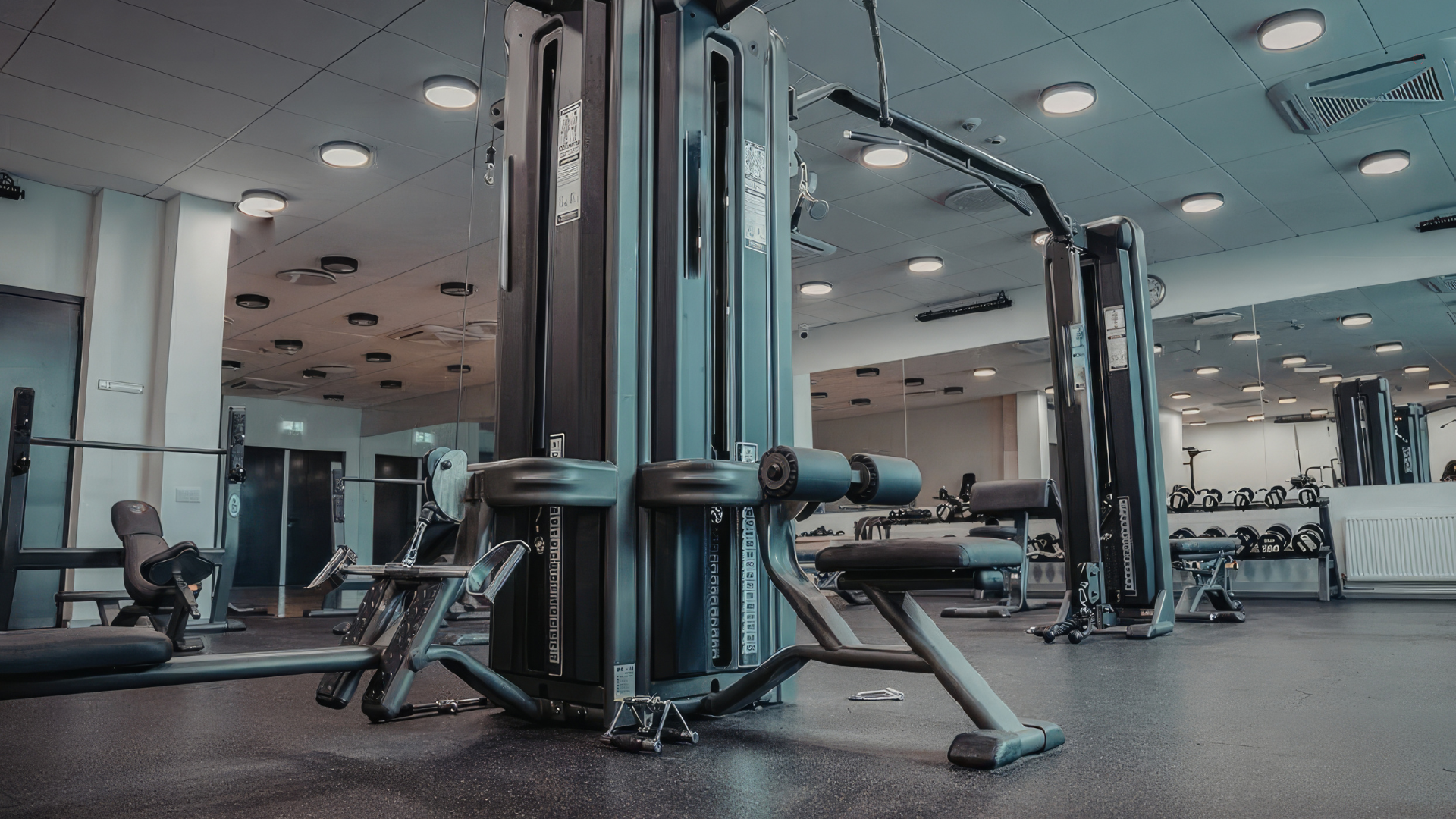
- Strength Training Machines: Machines help isolate specific muscles, offering safer alternatives for beginners or those who prefer guided exercises.
H3: Specialty Equipment
- Functional Training Gear: Items like battle ropes, medicine balls, and resistance bands promote functional fitness and variety.
- Stretching Areas: Allocate space for mats and foam rollers, offering a complete workout experience that also emphasizes flexibility.
3. Safety Standards and Accessibility
Safety should be a top priority when planning a commercial gym. Ensuring that your gym complies with industry safety standards will help avoid accidents and improve user experience.
Safety Features to Include
- Non-Slip Flooring: Choose flooring that reduces the risk of falls and is easy to maintain.
- Proper Equipment Maintenance: Regularly inspect equipment to ensure it remains in good working condition and provide staff training on how to assist members safely.
- Clear Signage: Provide signage that guides users on how to use machines correctly, including weight limits and safety precautions.
Accessibility Considerations
- ADA Compliance: Ensure your gym is accessible to all individuals, including those with disabilities. This may involve installing accessible machines and clear pathways.
- Inclusive Equipment: Offer a variety of machines suitable for all fitness levels and abilities.
4. Expert Consultation for Optimal Results
Consulting with experts can help optimize the planning process, ensuring your gym is well-equipped and functions smoothly. Professional consultants specialize in everything from equipment selection to layout planning and safety protocols.
Why You Should Consider Consulting
- Expert Knowledge: Industry professionals understand the latest trends in fitness equipment and space design.
- Customized Plans: Consultants can design a personalized plan based on your gym’s target audience, goals, and available space.
- Long-Term Savings: By investing in the right equipment and layout upfront, you’ll avoid costly mistakes down the road.
5. Budget Considerations: Leasing vs. Buying Equipment
When planning your commercial gym, you’ll need to decide whether to buy or lease your fitness equipment. Both options have their pros and cons, and the right choice depends on your budget and business goals.
Pros of Leasing Equipment
- Lower Upfront Costs: Leasing allows you to avoid large initial investments and spread out payments.
- Upgrades: Leasing contracts often allow you to upgrade your equipment as newer models are released.
- Maintenance Coverage: Many leasing contracts include maintenance, which can save on repair costs.
Pros of Buying Equipment
- Long-Term Savings: Purchasing equipment outright may be more cost-effective over time.
- Ownership: Once the equipment is paid off, it’s yours to keep, with no ongoing lease payments.
- Customization: You have more control over the types of equipment you purchase and can choose machines based on your gym’s specific needs.
6. Conclusion: Creating a Successful Commercial Gym
Building a commercial gym requires careful planning, from designing the space layout to selecting the right equipment and ensuring safety standards. By taking these factors into consideration and consulting with experts, you'll be on your way to creating a fitness facility that meets the needs of your members while providing a safe and enjoyable workout environment.
Let Us Help You Plan Your Commercial Gym!
Are you ready to design the perfect commercial gym? Schedule a consultation with our experts today to get tailored advice on equipment selection, space planning, and more!
Call (913) 339-9565 or email darin@CentralStatesFitness.com for personalized gym planning assistance.